
leiditech electronicsは、電磁気互換性の「実用的なコード」を解読するために大学に入ります

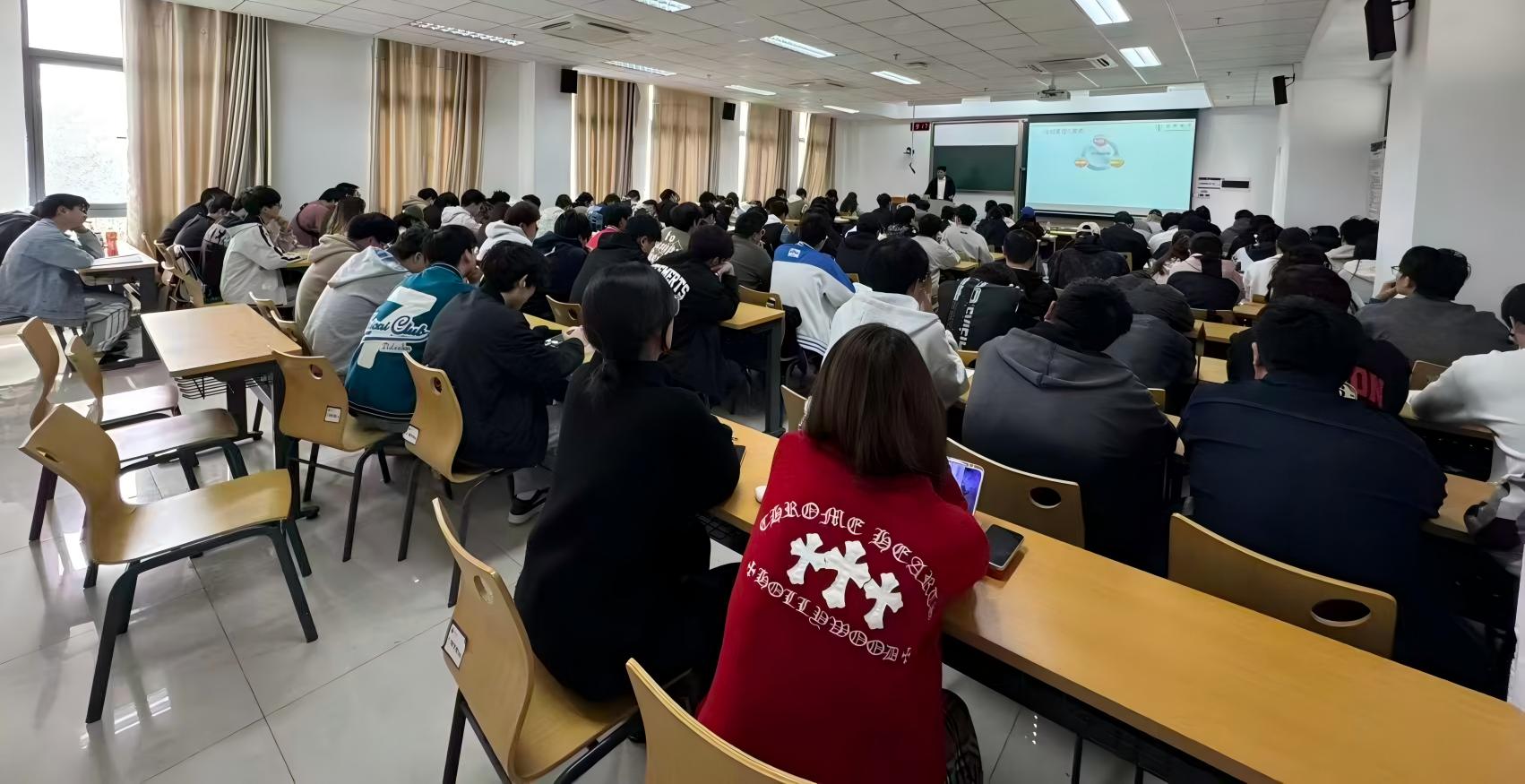
At the beginning of the lecture, Mr. Hu, with the "three elements of electromagnetic compatibility" as the core framework, combined with actual project cases from Lebao Electronics, dissected the interrelationship among interference sources, coupling paths, and sensitive chips, and focused particularly on the protection logic of ESD (electrostatic discharge) and EOS (over-electric stress). He broke away from theoretical formulas and used "static discharge breakdown at the mobile phone charging port" and "damage caused by surge in industrial equipment" as relatable examples, making the abstract concept of electromagnetic compatibility more intuitive and understandable.
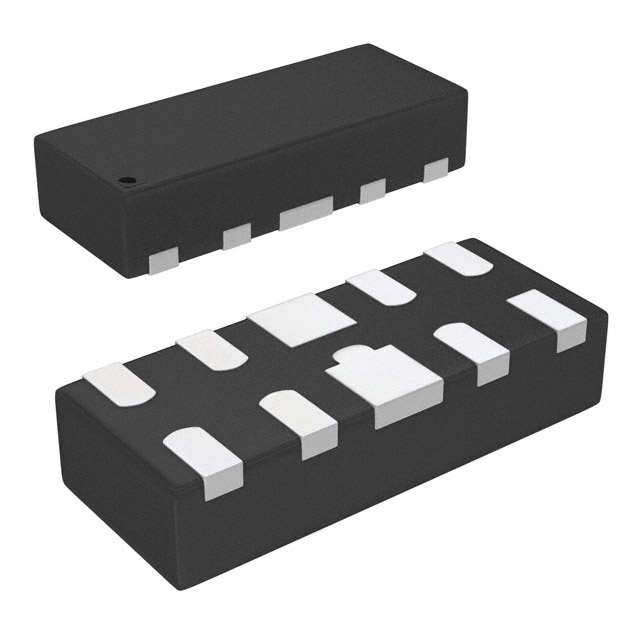
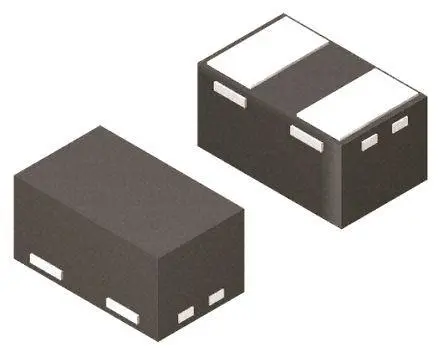
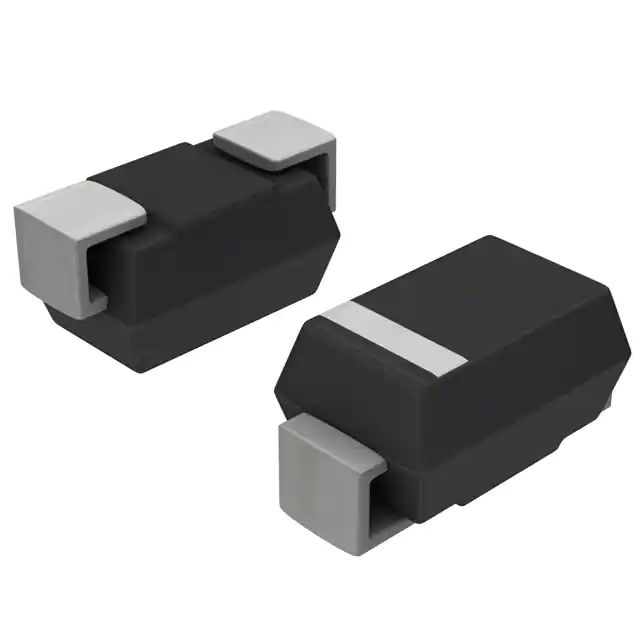
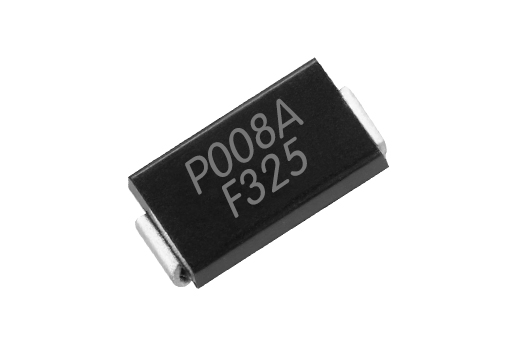
In response to the concern of university teachers and students regarding the "difficulty in implementing design", Mr. Hu shared practical skills for PCB layout and component selection - such as "the 'star' and 'grid' configurations of grounding design for suitable scenarios" and "the protective advantages of back-sweep TVS components in high-speed interfaces". He also demonstrated the response curves of components under different surge waveforms on the spot, allowing the teachers and students to intuitively experience the actual effect of the protection scheme.
"Previously, I thought electromagnetic compatibility was 'superstitious'. But today, Mr. Hu broke down the 'correction principle' into steps of 'first locate the interference source, then cut off the path', and suddenly everything became clear!" A graduate student present said. The engineering cases in the lecture filled the gap between textbook knowledge and industrial needs.